For Star Wars D6 2nd Edition Revised and Expanded
Introduction
Welcome to the galaxy of blasters, lightsabers, and destiny. Whether you’re a grizzled gamemaster or a new recruit to the Rebel Alliance, understanding the core mechanics of the Star Wars D6 System (2nd Edition Revised and Expanded) is the first step toward running fast, cinematic adventures in the Star Wars universe.
This article breaks down the essential mechanics behind the D6 system—designed by West End Games—to help players and gamemasters alike run smoother, more intuitive sessions.
The Dice Pool System
At the heart of the D6 system is exactly what the name suggests: six-sided dice (D6s).
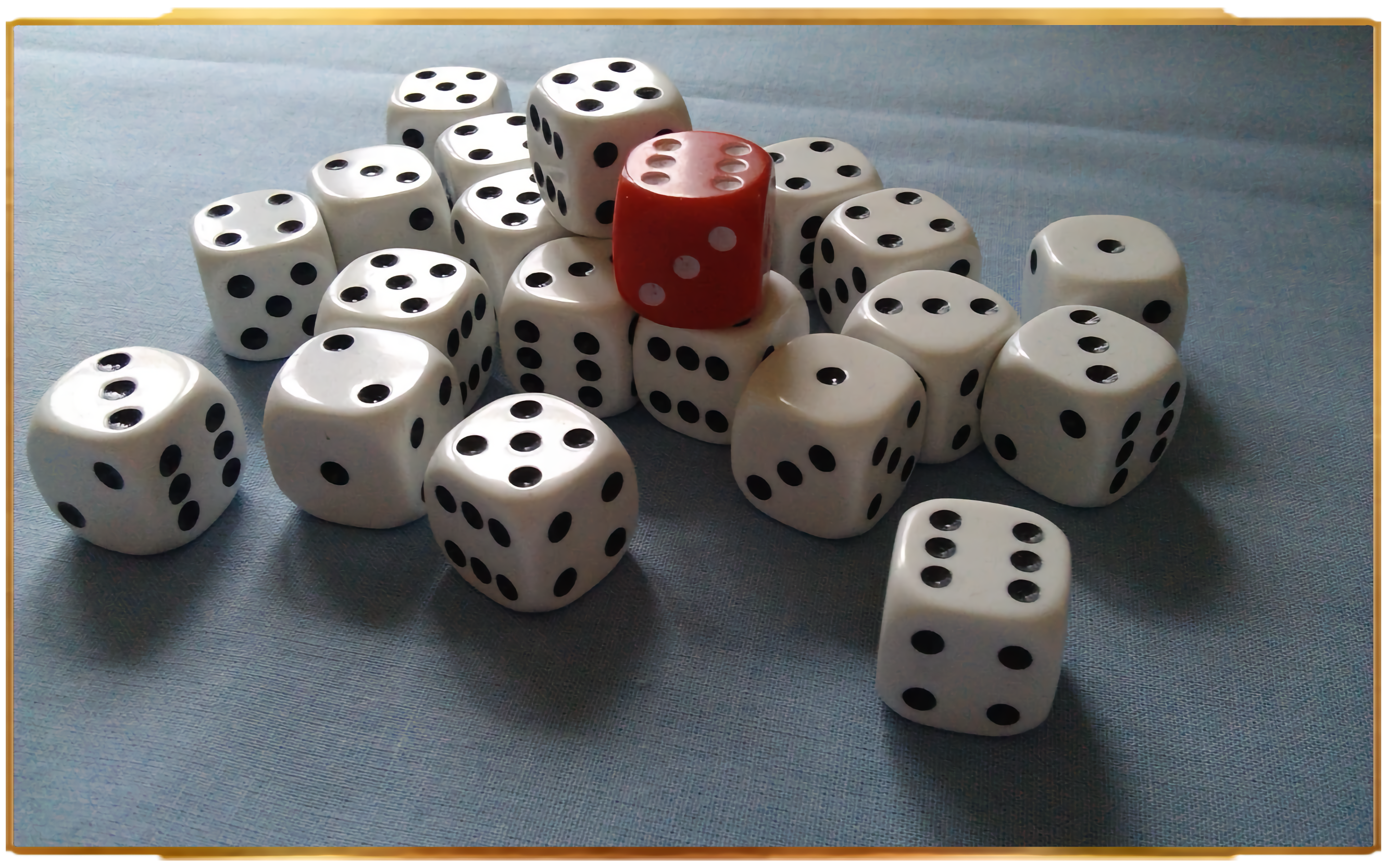
Skill and attribute checks are made by rolling a number of D6s equal to a character’s relevant attribute or skill value. For example:
- A character with Dexterity 3D+1 and Blaster 5D would roll 5D when firing a blaster, as they have spent character points to increase their blaster skill.
- That means 5 six-sided dice added to the total.
- A character with Dexterity 3D+1 and No Blaster skill would roll 3D+1 when firing a blaster, as they do not have any skill with a blaster.
- That means 3 six-sided dice and +1 added to the total.
Pips are added as small bonuses on top of your dice:
- +1 = add 1 to your final total
- +2 = add 2
- +3 becomes an additional full die (1D)
The Wild Die
A key feature introduced in 2nd Edition Revised and Expanded is the Wild Die.
One of your dice in every roll is designated as the Wild Die—and it introduces chaos, heroism, or disaster.
When you roll the Wild Die:
- If it rolls a 6, explode it! Add the 6 and roll it again—keep adding 6s until you stop rolling 6s.
- If it rolls a 1, something unexpected happens:
- Roll a second time to determine severity:
- Second roll 1-3: Minor complication (weapon jams, slips, small narrative twist).
- Second roll 4-6: Just subtract the 1 and move on.
Some GMs skip the second roll and apply narrative complications at their discretion.
- Roll a second time to determine severity:
Target Numbers
Your roll is compared against a difficulty number set by the GM. These follow a general range:
Difficulty Level
Target Number
Example
Very Easy
5-10
Pushing a button, climbing a ladder
Easy
11-15
Shooting a still target at close range
Moderate
16-20
Jumping across a small gap
Difficult
21-25
Disarming a trap under fire
Very Difficult
26-30
Landing a ship in a storm
Heroic
31+
Flying through an asteroid field under fire
Modifiers (e.g. cover, wind, darkness) may increase or decrease these numbers.
Combat Basics
Initiative is usually rolled with Perception or tactics skill, with highest total going first.
Combat Actions:
- Each round is 5-6 seconds long (depending on the GM).
- A character can attempt multiple actions per round, but each additional action imposes a -1D penalty, cumulatively.
- Example: 3 actions
- 1st action = no penalty
- 2nd action = -1D
- 3rd action = -2D
- Example: 3 actions
Attack Resolution:
- Attacker rolls the appropriate combat skill (e.g. Blaster, Melee Combat).
- Target rolls dodge, brawling parry, or other defensive skill if they declared a defensive action.
- If the attacker’s roll exceeds the target’s, the hit connects.
Damage and Resistance:
- Weapons have a damage rating (e.g. Blaster pistol 4D).
- The target rolls Strength + Armor Bonus (if any) to resist.
The difference between damage and resistance determines the outcome:
Damage > Resistance
Effect
1-3
Stunned (lose action)
4-8
Wounded (–1D to actions)
9-12
Incapacitated (collapse)
13-15
Mortally Wounded
16+
Killed
Character Advancement
Experience is awarded in the form of Character Points (CPs) and Force Points.
- Character Points are used to temporarily boost rolls (1 CP = +1D to a single roll) or to permanently improve skills.
- Improving a skill costs the number of dice before the D in a skill
- Example: A characters Blaster skill is 3D, to increase it to 3D+1 would cost 3 Character Points (CPs).
- Skills may only be advanced by +1 per adventure, however they may improve any number of skills per adventure (consult your GM)
- Attributes require training time and GM approval.
- Attribute cost in Character Points (CPs) is 10x the number before the D in the Attribute.
- Example: A character with a Dexterity of 4D would cost a total of 40 Character Points to improve to 4D+1 and take 1 week per character point spent (with a teacher) or 2 weeks per character point spent (without a teacher).
- Attribute cost in Character Points (CPs) is 10x the number before the D in the Attribute.
- Improving a skill costs the number of dice before the D in a skill
- Force Points allow a character to double all skill and attribute dice for one round (or longer if it’s a heroic act).
The Force System
Characters strong in the Force can develop three Force Skills:
- Control: Mastery of self
- Sense: Perception of surroundings
- Alter: Manipulation of the environment
Each power requires a specific combination of rolls—like “Control + Sense”—to activate. Force use is potent but comes with risk: misuse may tempt characters to the Dark Side, tracked through Dark Side Points.
Final Thoughts
The beauty of the D6 system lies in its cinematic simplicity and narrative flexibility. Rather than bogging players down with complex modifiers or charts, the system encourages fast-paced, storytelling-first gameplay that feels right at home in the Star Wars universe.
Whether you’re blasting stormtroopers, flying a YT-1300 through a space chase, or trying to talk your way past an Imperial checkpoint, the D6 system gives you the tools to make it thrilling.
So grab your dice, trust in the Force—and may your Wild Die explode when you need it most.